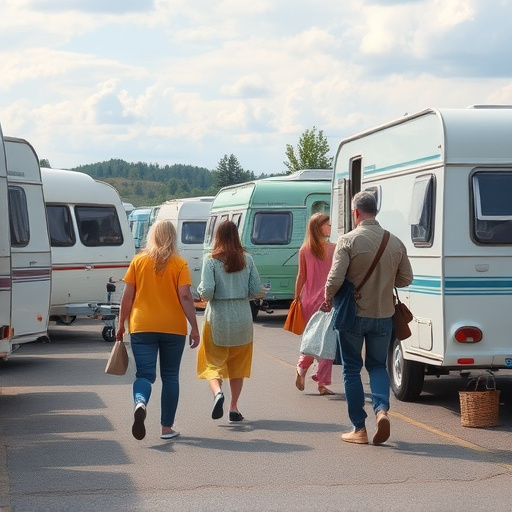
In an era defined by rapid urbanization and a growing appetite for experiential living, the concept of ‘Caravan Sales On Site’ has emerged as a dynamic and innovative approach to real estate development. This cutting-edge strategy involves the direct sale and installation of caravans or mobile homes on chosen land plots, offering a unique housing solution that blends the freedom of travel with permanent residency. The practice is gaining traction worldwide, appealing to a diverse range of individuals seeking alternative living arrangements, from digital nomads to retired couples looking for downsized residences. This article aims to provide an in-depth exploration of Caravan Sales On Site, its global impact, and the various factors shaping its future.
Understanding Caravan Sales On Site: Unlocking the Concept
Definition: Caravan Sales On Site refers to the process of selling and setting up fully equipped caravans or mobile homes directly to customers on a chosen piece of land. This model eliminates the traditional middleman, allowing buyers to own their caravan and the land it resides on as a single package.
Core Components:
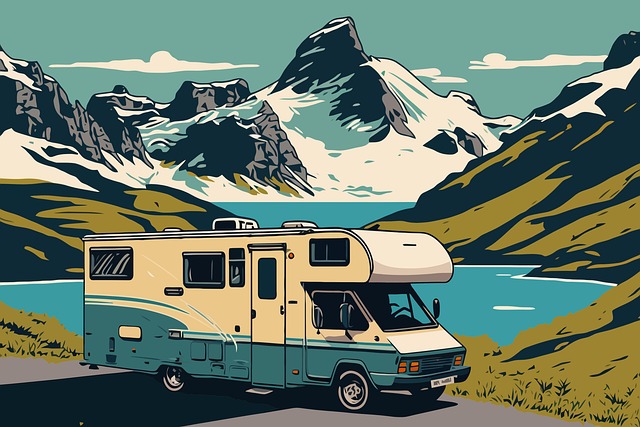
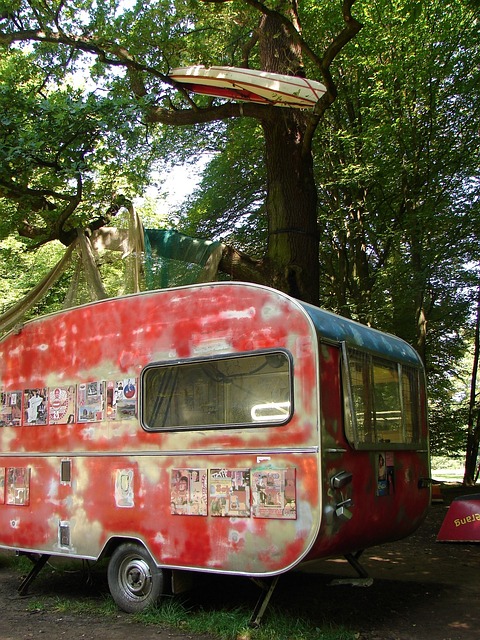
Caravan Units: These are the mobile residences that form the heart of the sales model. They vary in size, design, and amenities, catering to different customer preferences and budgets. Modern caravans often feature state-of-the-art appliances, comfortable living spaces, and even off-grid energy systems.
Land Plots: The selected land areas can range from small campsites to larger rural properties. They are crucial in determining the overall appeal of a Caravan Sales On Site development. Factors like location, natural beauty, infrastructure, and local regulations play a significant role in site selection.
Sales and Installation Process: Buyers typically have several options for purchasing, including full ownership or lease-to-own schemes. Once a buyer is chosen, the caravan is installed on their selected land plot by specialized teams. This process involves leveling the site, connecting utilities (if available), and ensuring compliance with local building codes.
Historical Context: The roots of Caravan Sales On Site can be traced back to the post-World War II era when travel trailers and mobile homes became popular in North America and Europe. However, it has evolved significantly over time, incorporating advanced technologies, improved designs, and a growing acceptance as a legitimate housing option. Today, this model is gaining traction globally, particularly in regions with vast rural lands and a thriving outdoor lifestyle culture.
Global Impact and Trends: A World-Wide Phenomenon
Caravan Sales On Site has left its mark on several countries, each embracing the concept with unique cultural and geographical influences. Here’s an overview of its global impact:
North America: The United States and Canada have a long history with mobile homes, which are often seen as a more affordable housing option, especially in rural areas. The direct sale model has gained popularity, with many private dealers and manufacturers offering a wide range of caravans for on-site sales.
Europe: In countries like the UK, Germany, and France, Caravan Sales On Site is often associated with a more luxurious lifestyle. High-end caravan manufacturers have established themselves, catering to discerning customers seeking high-quality, custom-built homes on desirable rural sites.
Asia Pacific: Australia and New Zealand have seen a boom in this sector, driven by a growing trend towards downsizing and a desire for outdoor living. The abundance of scenic coastal and inland areas provides an ideal setting for caravan sales on site. In Asia, countries like Japan and South Korea are exploring the concept as a solution to housing shortages and changing urban preferences.
Emerging Markets: Africa and Latin America are also witnessing the rise of Caravan Sales On Site, often driven by tourism development and rural electrification initiatives. Local entrepreneurs are leveraging this model to provide affordable housing options in off-grid communities.
Key Global Trends:
Sustainable Living: There is a growing demand for eco-friendly caravans that incorporate energy-efficient systems and sustainable design principles, aligning with the global push towards sustainability.
Customization: Buyers increasingly seek customized caravans tailored to their specific needs and preferences, leading to innovations in modular construction and design flexibility.
Digital Integration: Modern caravans are being equipped with smart home technology, allowing for remote monitoring and control of various systems, catering to tech-savvy buyers.
Community Development: Some developments focus on creating vibrant communities around caravan sales on site, fostering social connections and a sense of belonging among residents.
Economic Considerations: A Thriving Market
The Caravan Sales On Site industry operates within a dynamic economic landscape, influenced by market dynamics and investment patterns. Here’s an insight into its economic implications:
Market Dynamics:
Demand Drivers: The primary demand comes from individuals seeking affordable, flexible housing options. This includes young professionals, retirees, and families looking for temporary or permanent alternatives to traditional homes.
Seasonality: Sales often exhibit seasonal patterns, with peaks during warmer months when outdoor living is preferred. However, year-round sales are increasing as more buyers recognize the benefits of this lifestyle.
Market Segmentation: The market can be segmented based on caravan types (luxury vs. budget), target demographics (young adults, families, retirees), and location (rural, coastal, urban edges).
Investment Patterns:
Real Estate Value: Caravan sales on site have the potential to increase land values, especially in prime locations. Well-planned developments can lead to higher property prices and rental yields.
Financial Incentives: Governments and local authorities sometimes offer incentives, such as tax breaks or grants, to encourage the development of caravan sales sites, particularly in rural areas.
Private Investments: Private investors and real estate developers play a significant role, recognizing the profitability of this sector. They fund the construction of caravans, site preparation, and marketing campaigns.
Economic Impact:
Job Creation: The industry contributes to local economies by creating jobs in manufacturing, sales, installation, and maintenance. It also supports related industries like furniture making, landscaping, and utilities provision.
Community Development: Successful caravan sales on site developments can stimulate local tourism, attract new businesses, and enhance the overall quality of life in the area.
Affordability: This model offers an affordable housing option for individuals who might otherwise struggle to afford traditional real estate, promoting homeownership and community integration.
Technological Advancements: Powering the Future
Technology plays a pivotal role in modernizing Caravan Sales On Site, enhancing customer experiences and improving operational efficiency. Here are some significant technological trends:
Online Marketplaces: Digital platforms have emerged, allowing buyers to browse and purchase caravans online from the comfort of their homes. These platforms provide detailed specifications, virtual tours, and secure payment options, making the buying process more accessible.
Augmented Reality (AR) and Virtual Reality (VR): AR and VR technologies enable potential buyers to visualize caravan layouts, interiors, and exterior landscapes in a fully immersive way. This enhances remote decision-making and reduces the need for physical site visits.
Smart Caravans: The integration of smart home technology is transforming caravans into connected devices. Features like automated lighting, temperature control, security systems, and energy monitoring are becoming standard, providing convenience and peace of mind to owners.
Renewable Energy Systems: There is a growing adoption of renewable energy sources in caravans, such as solar panels and wind turbines, enabling off-grid living and reducing environmental impact. These systems can be easily integrated during manufacturing or installed retrofitted.
Telematics and GPS Tracking: Caravans equipped with telematics devices allow owners to monitor their location, speed, and other parameters remotely. This enhances safety and security, especially for those living in remote areas.
Policy and Regulation: Navigating the Legal Landscape
The success of Caravan Sales On Site heavily relies on a supportive policy and regulatory environment that facilitates both buyer protection and business growth. Here’s an overview of key considerations:
Land Use Planning: Local governments play a crucial role in determining suitable locations for caravan sales on site developments. Zoning regulations, land use policies, and environmental considerations must be carefully navigated to ensure compliance.
Building Codes and Safety Standards: Caravans must meet specific building codes and safety standards to ensure structural integrity and occupant safety. These regulations cover aspects like construction materials, electrical systems, plumbing, and fire safety.
Property Registration and Ownership: Clear guidelines on property registration, titling, and taxation are essential. Many countries have established frameworks for registering caravan sales on site as real estate properties, ensuring legal ownership rights for buyers.
Environmental Regulations: In regions with sensitive ecosystems, strict environmental regulations may apply to protect natural resources. Developers must adhere to waste management, water usage, and noise pollution control measures.
Consumer Protection: Implementing robust consumer protection laws is vital to safeguard buyers’ interests. These include transparent pricing, fair trade practices, and dispute resolution mechanisms to address any issues that arise during sales or installation.
Challenges and Criticisms: Overcoming Obstacles
Despite its growing popularity, Caravan Sales On Site faces several challenges and criticisms that require strategic solutions. Here’s a closer look:
Limited Access to Utilities: One of the primary concerns is the availability of essential utilities like electricity, water, and sewage connections. Remote locations or rural areas may struggle to provide these amenities, impacting the viability of such developments. Solutions include off-grid energy systems, community-based utility sharing, and innovative distribution networks.
Zoning and Land Use Restrictions: Navigating local zoning regulations can be complex, with some areas having stringent restrictions on mobile home settlements. Engaging with local authorities, providing comprehensive planning proposals, and showcasing the social and economic benefits of caravan sales on site can help overcome these challenges.
Perception and Social Stigma: There is still a certain stigma associated with living in caravans or mobile homes, often perceived as temporary or less desirable housing. Overcoming this requires changing societal attitudes, successful community development, and showcasing the lifestyle advantages to potential buyers.
Quality Control and Standardization: Ensuring consistent quality across caravan models and manufacturers can be challenging. Implementing industry standards, third-party certifications, and consumer feedback mechanisms can help maintain high standards and protect buyer interests.
Financing and Credit Access: Securing financing for caravan purchases, especially for those with limited credit history or lower incomes, can be difficult. Partnering with financial institutions, offering lease-to-own options, and exploring government-backed loan programs can make this option more accessible.
Case Studies: Real-World Success Stories
Case Study 1: Silver Springs Resort, Australia
Silver Springs Resort in Queensland, Australia, is a prime example of a thriving caravan sales on site development. Located near the picturesque Glass House Mountains, the resort offers fully equipped caravans and camping sites with stunning views. The key to its success lies in several factors:
Location: The resort is situated on a 20-acre property with easy access to popular tourist attractions, making it an attractive destination for both locals and visitors.
Community Focus: Silver Springs fosters a strong sense of community among residents, organizing regular social events, sports tournaments, and local excursions, fostering connections between neighbors.
Customized Caravans: They offer a diverse range of caravan models, catering to different budgets and preferences. Customization options allow buyers to create their dream home on wheels.
Case Study 2: The Village at Lake View, USA
The Village at Lake View in Michigan, USA, is a retirement community that has embraced caravan sales on site as its core offering. This development provides fully furnished caravans with modern amenities, catering to active retirees seeking a vibrant lifestyle. Key success factors include:
Target Audience: The community specifically targets retirees who value downsized living and social engagement, creating a supportive environment for this demographic.
Amenities and Services: Residents enjoy access to shared facilities like a community center, swimming pool, fitness room, and on-site medical services, enhancing their overall well-being.
Landscaped Amenities: The development boasts beautifully landscaped gardens and walking trails, providing residents with peaceful outdoor spaces to relax and socialize.
Future Prospects: Mapping the Way Ahead
The Caravan Sales On Site industry is poised for significant growth and evolution in the years to come, driven by various factors and emerging trends:
Sustainable Living: As environmental concerns continue to grow, sustainable caravan designs and off-grid living will gain popularity. Eco-friendly materials, energy-efficient systems, and waste management solutions will be key areas of focus.
Technology Integration: Advanced technologies like AI, IoT (Internet of Things), and smart home automation will become integral to the caravan experience. These innovations will enhance convenience, security, and energy management.
Customizability: Buyers will increasingly seek personalized options, leading to greater customization in design, layouts, and amenity packages. Modular construction techniques will enable faster delivery and more flexible designs.
Community Development: The trend towards creating vibrant communities around caravan sales on site is expected to grow, fostering social connections and a sense of belonging among residents.
Global Expansion: With its increasing popularity worldwide, this model will likely expand into new markets, particularly in regions with vast rural lands and a growing outdoor lifestyle culture.
Conclusion: A Dynamic Future for Caravan Sales On Site
Caravan Sales On Site represents a transformative approach to housing, blending the freedom of travel with permanent residency. Its global impact is undeniable, as it offers affordable, flexible, and sustainable living options that cater to diverse demographics. By harnessing technological advancements, fostering community development, and addressing regulatory challenges, this industry is poised for significant growth.
As we look ahead, the future of Caravan Sales On Site promises exciting possibilities: from sustainable living solutions to innovative technologies, and thriving communities. This dynamic model will continue to shape the way we think about housing, offering a unique and appealing alternative to traditional real estate.
FAQ Section: Answering Common Queries
Q: What are the tax implications of owning a caravan on a private site?
A: Tax regulations vary by jurisdiction, but generally, owning a caravan on private land involves paying property taxes based on the value of both the caravan and the land. It’s essential to consult local tax authorities for specific guidelines.
Q: Can I finance the purchase of a caravan through traditional loan methods?
A: Yes, many financial institutions offer loans for caravan purchases. Options range from personal loans to mortgage financing, depending on your creditworthiness and the value of the caravan.
Q: Are there any specific safety considerations for living in a caravan?
A: Living in a caravan requires taking certain safety precautions, such as ensuring proper ventilation, maintaining smoke detectors, and implementing fire safety measures. Regular maintenance and awareness of potential hazards are essential.
Q: Can I customize the interior layout of my caravan?
A: Absolutely! Many manufacturers offer customizable options, allowing you to choose from various floor plans, fixture choices, and amenity packages to suit your preferences and lifestyle.
Q: How do I go about finding suitable land for a caravan sales development?
A: Identifying suitable land involves careful research and consultation with local authorities. Factors to consider include zoning regulations, accessibility, infrastructure availability, and environmental impact assessments.
Caravan awnings are essential accessories for RV owners, offering extra living space and protection from the elements. At Off Track RV in Epping, VIC, customers can choose between roll-out or retractable awnings based on their needs. Their Carav…….
Before embarking on an off-track adventure in your caravan, conduct a thorough inspection recommended by Off Track RV. Check critical components like brakes, lighting systems, and tires for wear or damage. Ensure proper functioning of brakes, sa…….
Before buying a caravan, prioritize safety with Off Track RV – Caravan Sales Victoria in Epping, VIC 3076. Visit our site for rigorous on-site inspections, focusing on structural integrity, advanced braking & lighting, smoke detectors, and s…….
For a seamless off-road caravan experience, maintain your water system with regular checks, expert advice from Off Track RV (Caravan Sales Victoria), and proper testing routines. Focus on pump, pressure regulator, hoses, fittings, tank levels, a…….
Off-track RV enthusiasts in Victoria, Australia, can ensure their vehicles are ready for any challenge at Off Track RV – Caravan Sales Victoria. Located in Epping, we offer expert guidance on evaluating off-road capabilities, including terrain m…….
Off Track RV – Caravan Sales Victoria offers specialized testing for off-road caravans, prioritizing safety and reliability. They conduct comprehensive on-site inspections of critical systems under simulated off-road conditions. A thorough pre-t…….
For safe and secure off-track RV adventures, trust Caravan Sales Victoria at 21 Graystone Ct, Epping VIC 3076, Australia. We offer expert guidance for Overlander owners, ensuring your vehicle's appliances function optimally in remote areas……..
Caravan Suspension Systems are crucial for safe and comfortable travel, with air and leaf spring suspensions as main types. For Caravan Sales On Site in Victoria, Australia, visit Off Track RV at 21 Graystone Ct, Epping VIC 3076, or call +61 3 9…….
Off Track RV – Caravan Sales Victoria offers a diverse range of models from renowned brands like Jayco, Outback Motorhomes, and Sunline, tailored to various lifestyles and budgets. When choosing a caravan, consider size, layout, features, and am…….
For a practical approach to buying a caravan, visit Off Track RV – Caravan Sales Victoria in Epping, Australia, where expert guidance ensures informed decisions. Inspect caravans' construction, condition, and features in person, rather than…….
For an immersive caravan buying experience, visit Off Track RV – Caravan Sales Victoria's showroom at 21 Graystone Ct, Epping VIC 3076, Australia. Compare models up close, assess build quality and durability, and get expert guidance from th…….
Off Track RV in Epping, VIC offers a wide range of caravan models for diverse travel needs, from weekend trips to full-time living. Their knowledgeable sales team assists customers in choosing the perfect caravan based on intended use, comfort,…….
When inspecting caravan upholstery during Caravan Sales On Site, check for superior fabric quality, vibrant colors without fading, secure seams, sturdy zippers, adequate cushioning, and non-slip backing. Look for wear and tear in high-traffic ar…….
Off Track RVs are specialized recreational vehicles designed for exploring remote destinations. Offered by Caravan Sales Victoria, these RVs feature powerful engines, advanced suspension, and off-grid comfort systems like generators and solar pa…….
When considering a caravan purchase, Caravan Sales On Site at Off Track RV – Caravan Sales Victoria offers a comprehensive and personalized experience. Visiting their showroom allows buyers to inspect caravans' condition, features, and qual…….
Caravan suspension systems are key to safe, enjoyable off-road adventures in Australia's diverse landscapes. Off Track RV at 21 Graystone Ct, Epping VIC 3076, guides customers through essential components like axles, springs, shock absorber…….
Visiting reputable caravan dealers like Off Track RV in Epping, VIC, for on-site sales offers a convenient, immersive experience. Here, you can personally assess different models' layouts, bed configurations, and storage, making an informed…….
Off Track RV – Caravan Sales Victoria in Epping, VIC (21 Graystone Ct) showcases the latest caravan models with advanced technology and modern designs. Their on-site showroom offers a diverse range of models catering to various traveler needs, f…….
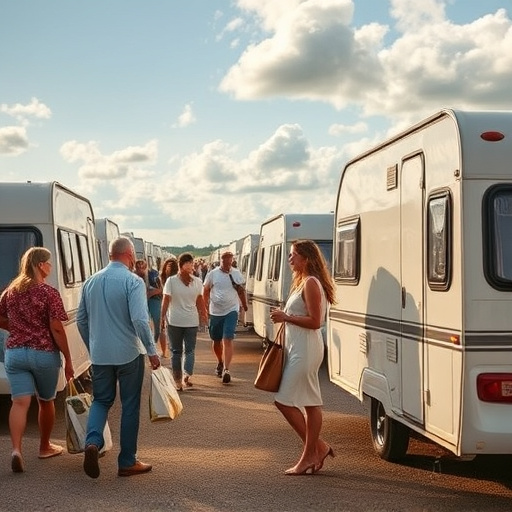
Caravan living is a growing trend that blends exploration and comfort with mobility. Off Track RV in Victoria offers an immersive Caravan Sales On Site experience, showcasing their extensive range of quality caravans. Located at 21 Graystone Ct,…….
Off-road capability standards are crucial for RV buyers, ensuring safe and enjoyable adventures. Off Track RV – Caravan Sales Victoria in Epping, Australia, emphasizes these factors, offering RVs with superior off-road performance. Key considera…….